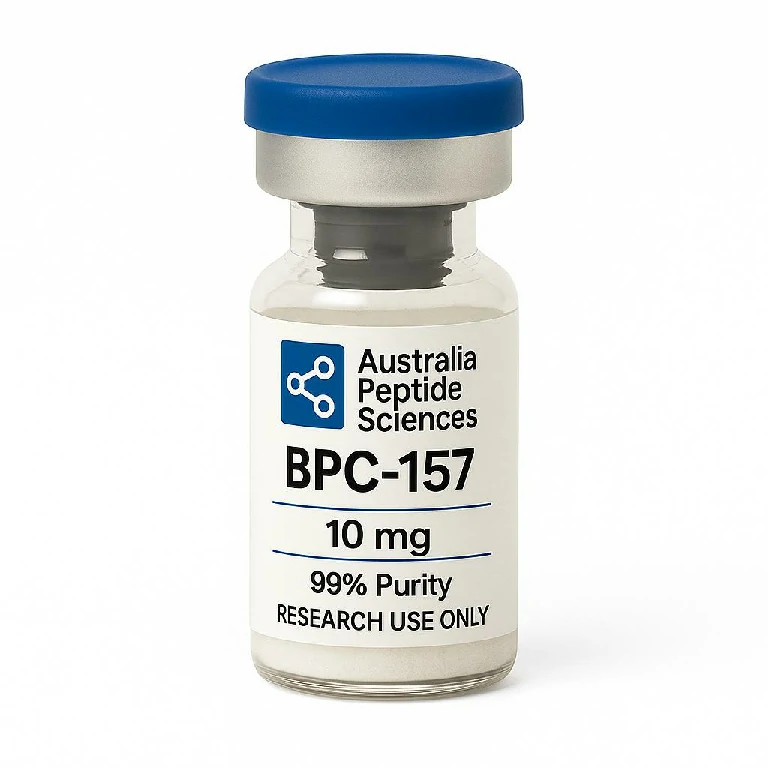
Peptide Screening: Hplc & Mass Specification Pureness Overview Apex Explore our brochure to see confirmed research substances and discover more about our testing and quality control procedure. Supplier COAs come from the seller, developing prospective conflict of passion. Third-party testing makes use of independent research laboratories without any monetary stake in the outcomes. Third-party results are naturally a lot more credible since the screening lab has no reward to misstate findings. Independent verification confirms or contradicts supplier insurance claims. For those adhering to peptides for skin tightening methods, confirmed products guarantee the method gets reasonable evaluation.
Certified Peptides
Suit the whole lot number on the COA to the lot number on the vial label specifically. If the numbers do not match, the COA does not confirm that batch. After the finished dosage type is produced, they test for contaminations that are produced during the process of making the set or other raw material contaminations that are much easier to check in the finished dose kind. Any type of various other tops that occur to be spotted are by coincidence, not design. There may be excipients that never ever liquify in the sample, obtain stuck in the column and never ever elute, the detector never identifies as a result of the wavelength, can not be identified by UV absorbance, etc. So, purity isn't simply a number on a certification; it's fundamental to success. Peptide screening is the analytical procedure utilized to validate that a study peptide is both pure and properly recognized. HPLC procedures chromatographic purity by dividing the target peptide from associated impurities and determining main-peak location percent. Mass spectrometry verifies molecular identity by inspecting whether the measured mass matches the expected peptide mass.
What Is Peptide Pureness And Why Does It Matter In Research-grade Peptides?
What device is used to examine peptide purity?
Peptide pureness is regularly identified by HPLC (high performance fluid chromatography). This approach enables separation and family member quantification of each peptide synthesized. If coupled to a mass spectrometer (MS), this provides molecular mass/ identity information of the target peptide and going along with contaminations.
Peptide Examination is a US-based laboratory offering HPLC and UV evaluation for peptide verification. The laboratory stresses efficient sample handling and precision in peptide evaluation. The vendor score system accumulations evaluating outcomes, permitting scientists to contrast quality trends throughout different vendors. A strong examination record can support pureness, identity, and batch traceability. It does not transform a research study substance right into a scientific product, and it does not replace experimental validation in the researcher's own system. The peptide example is dissolved in a suitable solvent and loaded right into an autosampler. The injector presents an exact quantity of sample into the mobile-phase stream.
For exploratory testing assays where harsh task data suffices, 95% pureness may be acceptable.
HPLC is just one of one of the most frequently made use of methods in peptide purity testing.
Gauging peptide pureness is normally done with logical high-performance liquid chromatography (HPLC), usually paired with mass spectrometry (MS) for identification verification.
When assessing a COA, scientists should try to find the following details. A solid peptide screening process makes use of methods that respond to corresponding inquiries. The table listed below is the practical means to consider common tests when reviewing a peptide COA. Validates the precise molecular weight and verifies the peptide's identity. At Maxed Out Substances, every item we provide includes a clear testing document and clear documentation. Our mission is to sustain scientists with high-purity, validated compounds that satisfy the demands of modern scientific research-- absolutely nothing more, nothing less. We make use of dialysis, ultrafiltration integrated with HPLC/UV approaches to scientifically evaluate encapsulation performance and drug loading. First, a small amount of the peptide is dissolved in a fluid and infused right into the HPLC machine. That fluid is then pressed with a slim tube (called a column) under high pressure. Inside the column are tiny bits that quickly "order onto" different substances in the example. These are basic research study context monitorings, not item specs. Methionine and cysteine deposits can be susceptible to oxidation. Oxidation modifications molecular homes and can change retention habits, producing distinct chromatographic optimals or associated mass changes. Asparagine and glutamine deposits can undergo deamidation, altering the peptide's fee and hydrophobicity. Deamidation is one factor storage problems issue, particularly after a peptide has actually been reconstituted. For research study including any type of biological system (cell society, in vivo animal models), endotoxin information is very appropriate and its absence needs to be treated as an insufficient COA. Third-party testing research laboratories of note in the peptide research supply chain include approved analytical chemistry services that operate under ISO or comparable quality management structures. A COA recognizing the testing lab by name, and for which the testing lab's accreditation can be separately confirmed, brings considerably extra evidentiary weight than a confidential interior COA. Most peptide Research Peptide Products distributors and research labs rely upon numerous reputable logical methods. High purity is preferable since even small pollutants may disrupt speculative results or interpretations.