Peptide Purity & Quantitation Screening
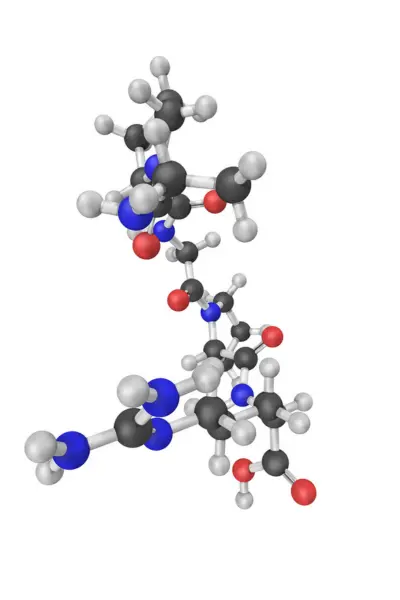
Just How To Review A Peptide Coa Real Vs Fake These are general study context monitorings, not product requirements. Methionine and cysteine residues can be at risk to oxidation. Oxidation adjustments molecular homes and can change retention behavior, producing distinctive chromatographic optimals or associated mass changes. Asparagine and glutamine residues can undergo deamidation, changing the peptide's fee and hydrophobicity. Deamidation is one reason storage space conditions issue, specifically after a peptide has actually been reconstituted. The key techniques for gauging peptide pureness are High-Performance Fluid Chromatography (HPLC) and Mass Spectrometry (MS). HPLC divides the target peptide from impurities, quantifying purity. MS confirms the peptide's identity by gauging its exact mass. These two strategies supply complementary info and are the gold criterion in the peptide industry. Peptide pureness suggests the percent of the target peptide series in an example compared to impurities. It's important because pollutants can alter research outcomes, influence drug security, and concession experimental reproducibility, making high purity essential for accurate science.
Confirmation Steps
Top-tier labs often report peptide purity well above 95%, regularly ≥ 98-99%, by utilizing modern HPLC and MS evaluations. They additionally check both raw materials and ended up peptide vials, which aids capture any type of pollutants, degradation items, or formulation disparities. This level of comprehensive evaluation makes certain the Biochemistry peptide's precision-- meaning the series and purity are specifically as classified-- which is important for speculative reproducibility. By verifying make-up through multiple verified approaches, lab recognition guarantees that researchers receive a high-purity peptide that will execute as Peptide Research expected in the laboratory. Trusted laboratories use tested screening procedures to assess peptide examples and verify their purity and chemical make-up.Where can I send my peptides to examine for pureness?
ACS Peptide Checking Labs is a specialist peptide evaluation lab that approves samples from all 50 states. Whether you need to test peptide purity, verify a vendor''s Certificate of Evaluation, or run extensive impurity testing, our laboratory provides quick, exact results with in-depth coverage.
Discover Material Classifications
Also, bear in mind that "research-grade" peptides are implied for the lab bench and come with high pureness and identity checks yet are not produced as medications. Always examine that your peptide includes appropriate analytical information (HPLC chromatogram and MS outcomes) and is identified for study use. Armed with this knowledge, you can confidently analyze tags like "95% pureness, research grade" and utilize those peptides to drive your experiments without confusion. A lot of third event testers supply both MS & HPLC in a single examination and will only inform you on the occasion that Mass Spec does not find the correct series. As an ideal method, constantly verify that your tester is offering MS. Mass Spectrometry (MS) is the only trusted way to confirm identity. HPLC validates that a leading, reasonably pure substance exists. Mass spectrometry (MS) verifies what that worsen in fact is. For us, pureness isn't simply a percent-- it's a promise of integrity, uniformity, and regard for the scientific research being done.- If you liquify a 5 mg vial presuming all 5 mg is energetic peptide, your molar focus will certainly be wrong.
- If topping isn't perfectly reliable, an uncoupled chain can continue to lengthen in succeeding steps, generating a peptide that's just one residue short of the target.
- For research-grade peptide credentials, HPLC and LC-MS/ESI-MS answer various concerns and must read together.
- It acts as a reminder and legal please note that the product is not a therapeutic or palatable.
- MS verifies the appropriate molecular weight and is very conscious mass distinctions corresponding to amino acid replacements, removals, or modifications.